
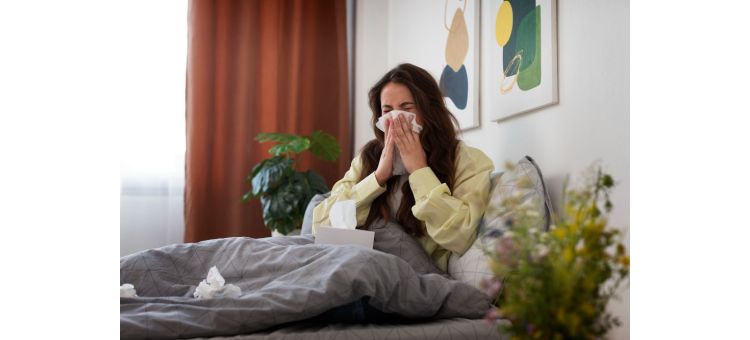
Waking up with frequent sneezing, itching in the nose or eyes, or a feeling of shortness of breath after a night that was supposed to be restful is a familiar experience for many people with allergies. In most cases, the problem isn’t sleep itself, but the surrounding environment—especially bed linens that come into contact with our bodies for long hours every night.
Choosing the right comforter as an allergy sufferer can make a real difference in reducing allergy symptoms and improving sleep quality, particularly when the choice is based on a proper understanding of fabric types and their ability to resist dust, dust mites, and moisture. In this article, we help you identify the best bed linens for allergy sufferers, what to choose, and what to avoid—so you can enjoy calmer nights and less exhausting days.
Types of Hypoallergenic Comforters Linens
These fabrics are capable of resisting common allergy triggers such as dust, dust mites, and moisture, including:
High-Density Natural Cotton
There is a type of cotton woven using a technique known as sateen, which results in a very dense, highly durable cotton fabric. This tight weave reduces dust penetration and prevents dust mites from entering the fibers.
Sateen-woven cotton allows healthy airflow without trapping moisture, creating a less irritating environment for the respiratory system and skin. This makes it a practical and safe long-term option for people with allergies.
Treated Synthetic Fibers
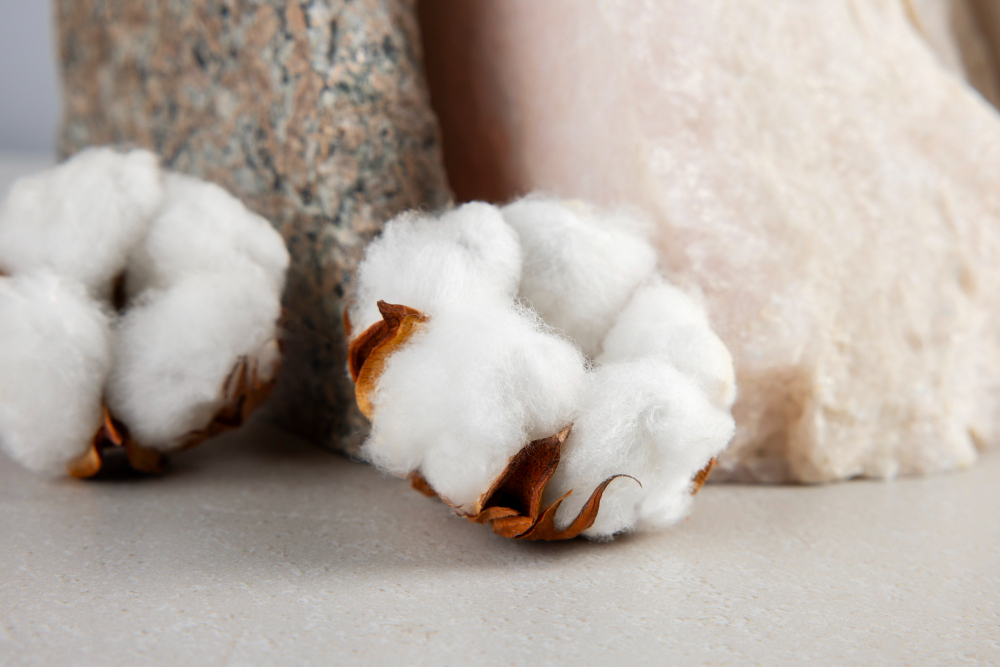
Some modern synthetic fibers are treated with technologies that resist dust mites and bacteria, making them safer than many people assume. These treatments reduce the buildup of allergens, and such linens are often lightweight, quick-drying, and do not retain moisture—an important advantage for those with nasal allergies or asthma.
Read also: How to Store Bed Linen Between Seasons and Different Times of the Year
Comforter That Is Easy to Wash at Home at High Temperatures
Ease of washing is not a secondary feature—it is a key element in allergy prevention. Bed linens that can withstand frequent washing at high temperatures help kill dust mites and effectively remove allergens, without the need for special or costly cleaning. This makes regular care simple and sustainable.
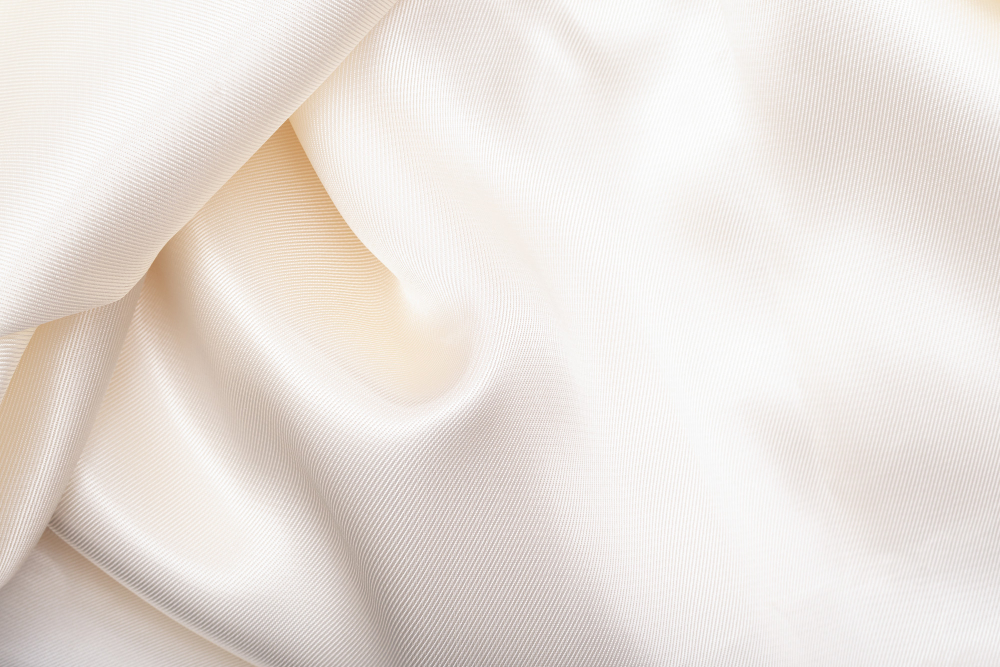
Natural Silk
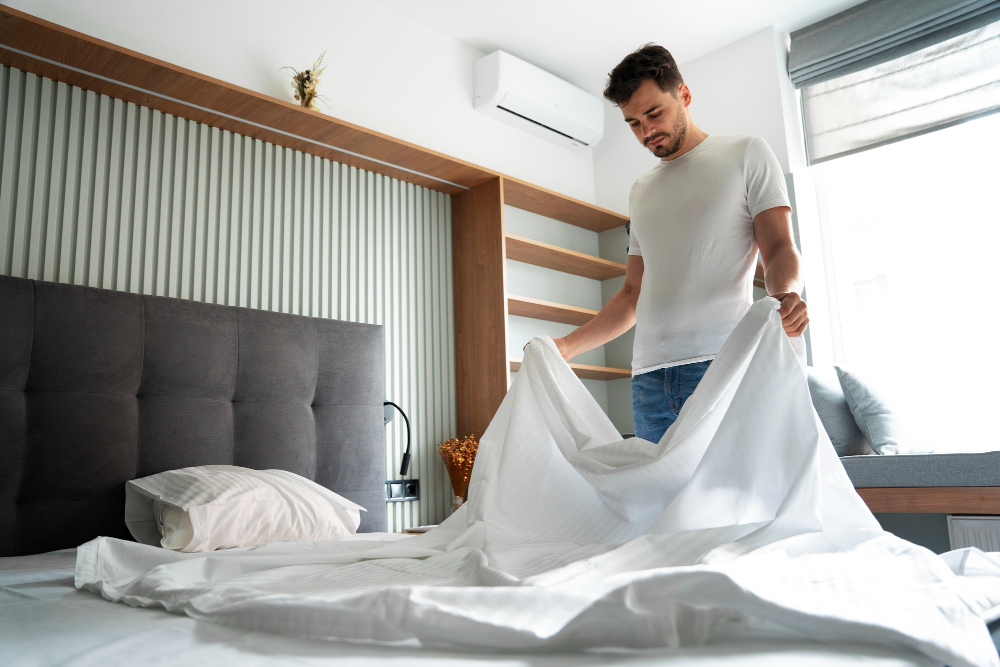
Silk is one of the best natural fabrics in the world when it comes to allergy resistance, offering near-total protection. Its exceptional softness also reduces skin friction, making it suitable for people with sensitive skin or eczema. However, its higher cost may not suit everyone.
Bamboo Fabrics
Bed linens made from natural bamboo fibers are a healthy choice because they do not retain moisture. Less moisture means fewer opportunities for dust mites to multiply. In addition, bamboo fabrics are gentle on the skin and help maintain a clean, fresh sleeping environment.
Fabrics Allergy Sufferers Should Avoid in Bed Linen
These fabrics trap dust and create an ideal environment for moisture and dust mites, no matter how often they are cleaned. Allergy sufferers are advised to avoid them entirely:
Read also: A Bedtime Routine for Faster, Deeper Sleep – With Practical Tips
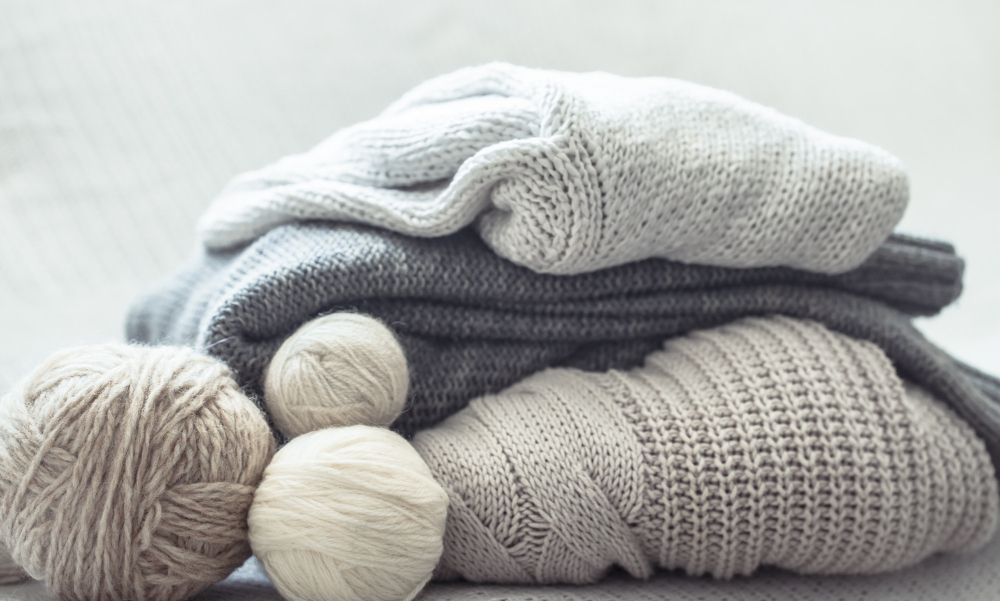
Natural Wool
Despite its warmth, wool retains moisture and traps dust within its fibers, making it an ideal environment for dust mites. Regular deep cleaning is also difficult, which reduces its suitability for people with allergies or asthma.
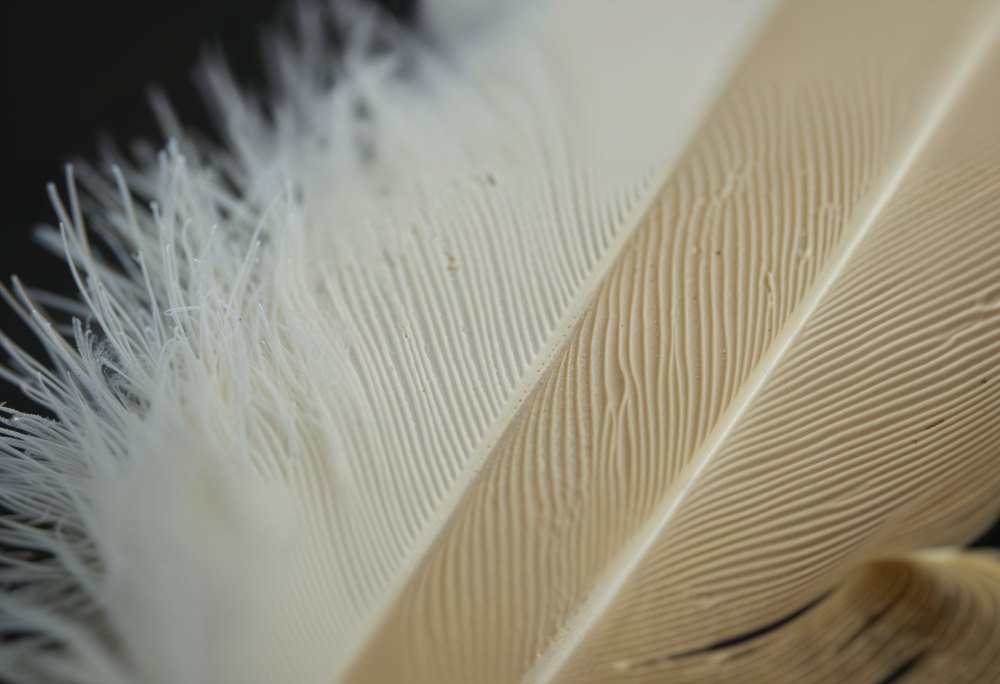
Natural Feathers
Although comfortable, most feather-filled comforter available on the market is not suitable for allergy sufferers. Its light structure allows dust to penetrate deeply, making it difficult to remove even with frequent cleaning.
In addition, some people are directly allergic to feather proteins, which can worsen symptoms such as sneezing, nasal congestion, or breathing difficulties during sleep.
If you love natural feathers and suffer from allergies, consider hypoallergenic duck feather duvet inserts and pillows from Karaz Linen. They allow you to enjoy the softness of feathers while protecting you from allergies, thanks to double layers of dense German cotton fabric that prevent allergens from escaping the filling.
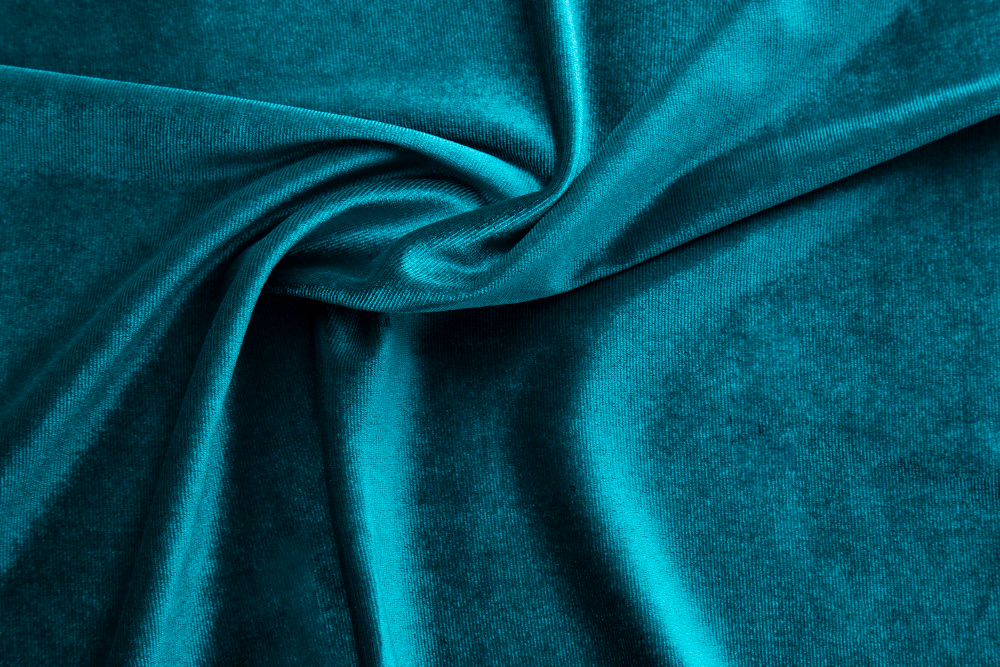
Velvet
Velvet is known for its soft feel and luxurious appearance, but it is one of the most dust-trapping fabrics. The short, dense pile acts as a magnet for allergens and makes deep cleaning difficult at home. Over time, dust accumulates within the fibers without being visible, potentially causing ongoing irritation for allergy and asthma sufferers, especially with daily use.
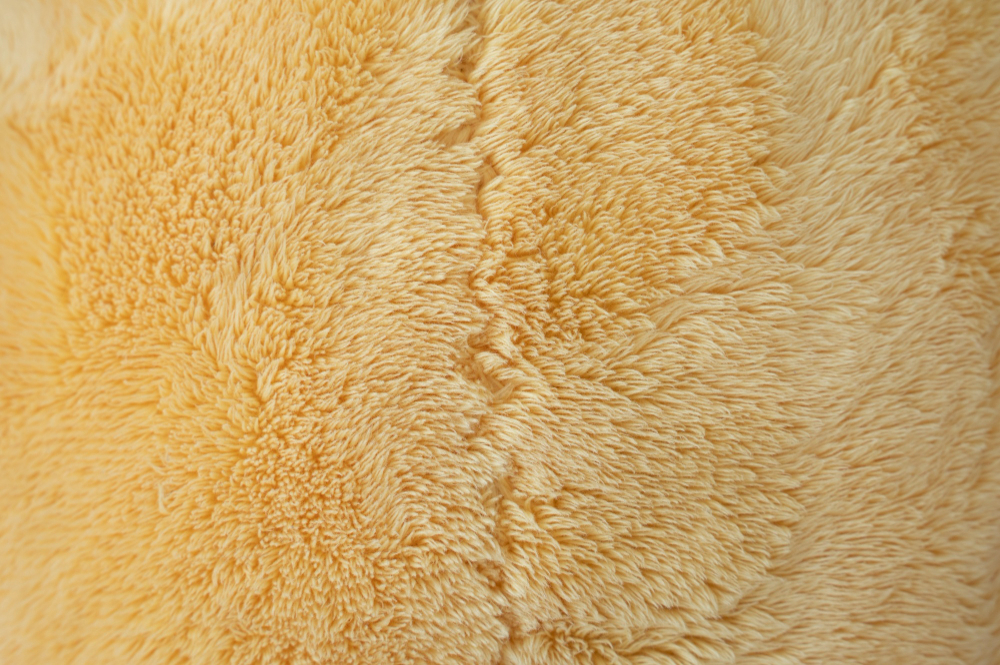
Faux Fur
Faux fur easily traps dust and lint, and its dense texture restricts proper airflow. This type of comforter may worsen allergy symptoms, particularly with daily use or in poorly ventilated rooms.
Polyester
Low-quality polyester retains heat and moisture, creating a suitable environment for dust mites and bacteria. While it is easy to wash, its structure does not help reduce allergens compared to natural or properly treated fabric.
Smart Tips to Prevent Your Comforter from Triggering Allergies
- Even the best fabric in the world loses its benefits if it is not washed regularly. Weekly washing in warm water and thorough drying are part of a complete “defense system” against allergies.
- Many allergy sufferers replace their comforter entirely, yet sneezing persists—not because of the fabric itself, but due to delayed washing or incomplete drying.
The Importance of Choosing the Right Comforter for Allergy Sufferers
- You will notice that morning sneezing decreases.
- You will notice that breathing at night becomes easier.
- You will feel that your bed feels clean even after days of use.
- It protects sensitive skin from irritation and excessive friction.
- Sleep quality will improve. Insomnia will be reduced.
Is Changing Comforter Alone Enough to Fight Allergies?
No. Old pillows, bed sheets, and duvet covers can store dust and dust mites over time and release them again with every movement during sleep. True benefits from changing comforter only appear when you also care for all surrounding components and choose materials that are suitable and washable on a regular basis. This ensures a complete sleep environment that reduces irritation and provides clearer comfort and stability during sleep.
The Complete Solution for Comfortable, Allergy-Free Sleep… at Karaz Linen
Once you understand which fabrics are suitable and which should be avoided for allergy sufferers, the real solution is choosing a store that offers a complete sleep system—not just a single item. At Karaz Linen, you will find:
- Natural cotton comforter sets
- Luxurious natural silk comforter set
- Hotel comforter style high-density sateen-woven cotton sets
- Cotton and silk duvet covers
- Duck feather pillows with double layers of hypoallergenic German cotton
- Duck feather duvet inserts with double layers of German cotton, designed to be safe and suitable for allergy sufferers
The availability of all these products with their matching accessories ensures a fully integrated sleep environment that tackles allergy triggers at their source—delivering genuine comfort that starts with the right fabric choice and ends with calmer sleep and fewer symptoms.
When you understand the nature of the fabrics you sleep on, and know what supports your comfort and what worsens your symptoms, you become capable of significantly reducing nighttime allergy attacks and reclaiming the restful sleep your body deserves. With a complete sleep system made from carefully selected, easy-to-maintain materials, your bedroom can shift from a hidden source of discomfort to a truly safe space for relaxation. In the end, good sleep doesn’t begin when the lights go out—it begins with the smart decisions you make beforehand.