

Starting to build a brand-new bedroom from scratch isn’t an easy responsibility. A bedroom is the cozy sanctuary where you spend more than a third of your day, and it can be the reason you feel well-rested—or worn out.
So, if you’re looking for the bedroom essentials that make the difference between “a room that looks nice” and “a room where you truly sleep deeply,” you’re in the right place.
1. A Comfortable, Healthy Mattress
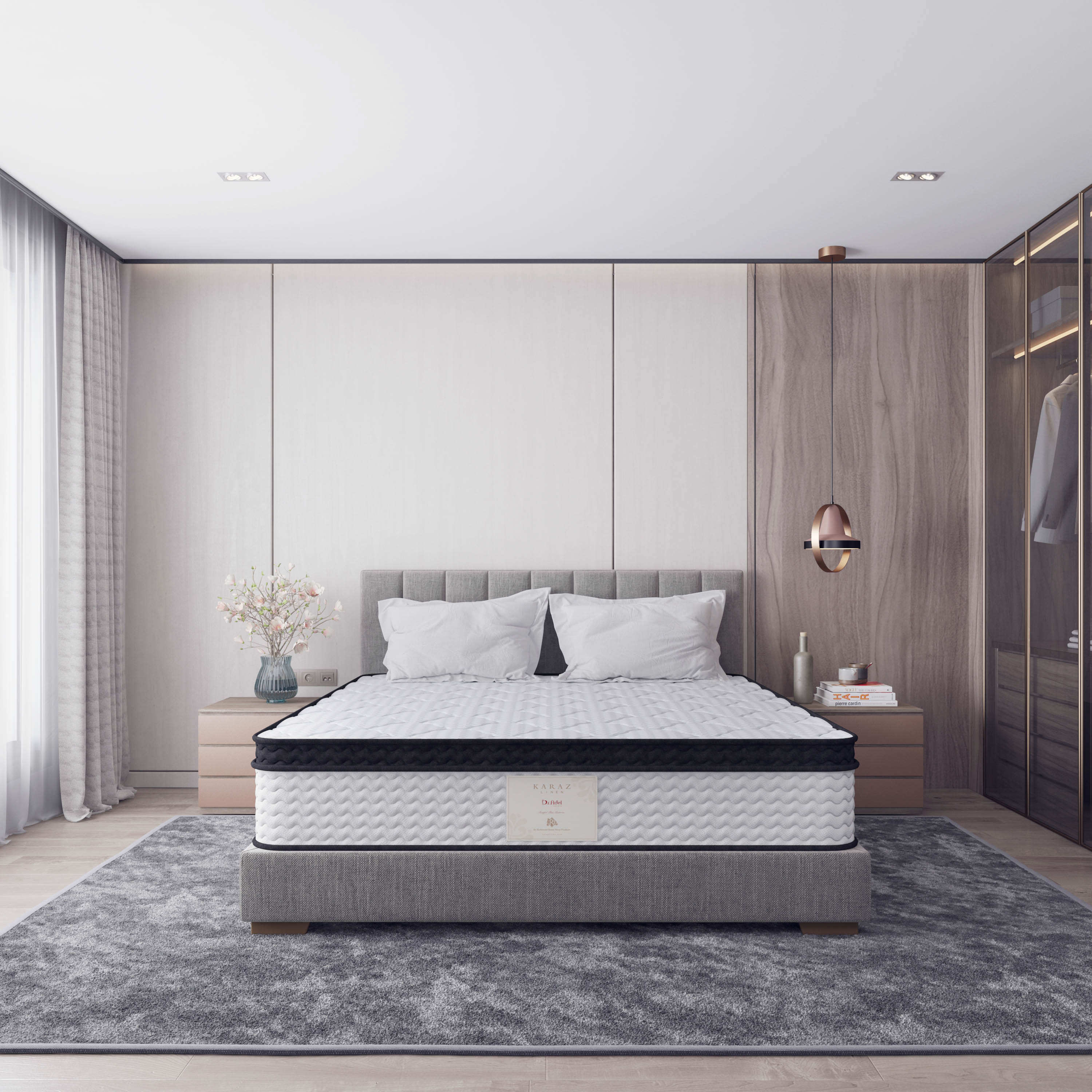
A mattress is the surface that carries your body weight and supports your back and body for long hours while you sleep. Any flaw in it can directly affect your spine, shoulders, neck, and hips.
Tips
- The mattress must match your weight—not all mattresses fit all body weights.
- Ideally, it should feel softer on the top layer and slightly firmer underneath, so it adapts to your body and reduces pressure on the shoulders, hips, and sides.
- A good mattress combines high-quality materials such as memory foam or natural latex, which contours to the body.
- Quality mattresses reduce motion transfer, so your partner isn’t disturbed when you move.
- It should provide good airflow through its layers and allow ventilation.
- It must be durable and long-lasting, not sagging after the first year of use.
Choose Karaz Linen mattresses, as they come with a warranty of up to 10 years.
2. A Healthy, Comfortable Pillow
Pillows are just as important as mattresses, because they determine your neck and shoulder position throughout the night. Signs of a healthy pillow include:
Tips
- It shouldn’t be higher than your neck range, nor too low—it should be at the right height.
- The right pillow keeps the neck aligned with the spine.
- It should be supportive, contouring to and supporting the neck and head.
- The outer fabric should be cotton or silk—healthy materials that help you sleep cleanly and comfortably, without sweating, irritation, or unpleasant odors.
- If you sleep on your side, you need a relatively higher pillow.
- If you sleep on your back, you need a medium-height pillow.
- If you sleep on your stomach, you need a low pillow.
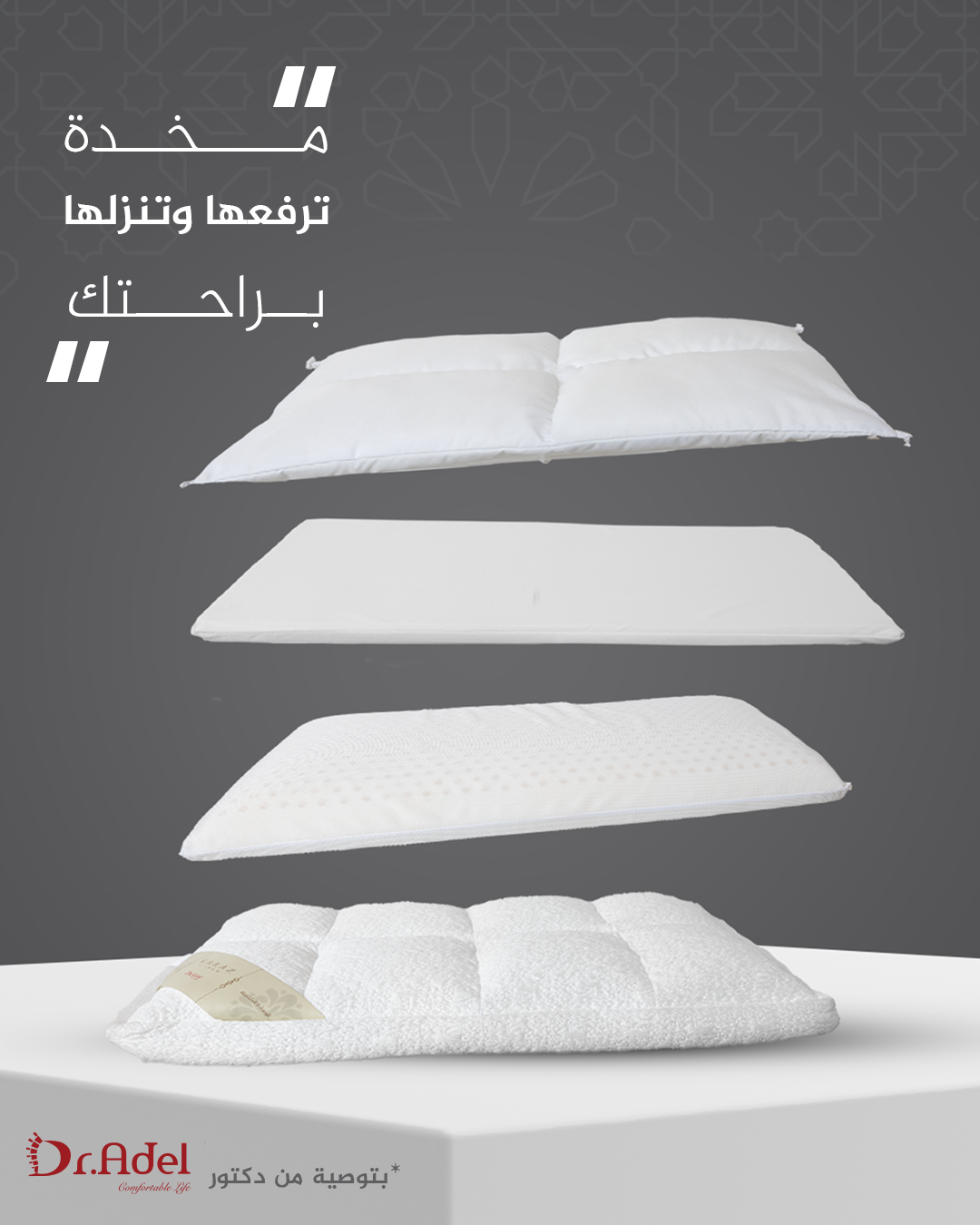
Shop Dr. Adel’s Pillow, which you can adjust to 4 different heights and 10 levels of softness to suit all sleeping positions and changing preferences.
3. A Comfroter Set That Feels Gentle on the Skin
Your comforter touch your body for long hours just like the mattress and pillow. That makes them an official part of the bedroom essentials because they affect your sleeping temperature, skin comfort, and airflow to your skin. Choosing the right bedding means calmer sleep and less discomfort.
Tips
- Materials like cotton or cotton woven with a satin technique are the best choice for high breathability, softness, strong moisture absorption, and resistance to sweat and bacteria. As for silk, it’s the best of the best—offering all the above benefits plus 99% antibacterial properties.
- Good bedding should be easy to wash, durable, and high quality—able to handle frequent washing without color damage.
- A good budget-friendly option is high-quality microfiber bedding.
Shop premium comforter sets with exclusive designs and special fabrics at Karaz Linen.

4. Calm, Adjustable Lighting
While the bedsheet, mattress, and pillow are the language your skin understands, lighting is the language your nervous system understands.
Tips
- Use side lighting sources in warm tones such as yellow, soft azure, or light purple—like table lamps, wall lights, or LED strips behind the bed.
- Choose lighting you can control: brighter when you’re sitting, and very dim when it’s time to sleep.

5. Calm Colors for Walls and Bedding
Cool, nude, or pastel wall colors help you relax, calm your mood, and soothe your nervous system. Wall color is one of the fastest ways to turn your room into a true sleep sanctuary. Suitable colors include:
- Warm off-white
- Sandy beige
- Greige (gray leaning toward beige)
- Warm light gray
- Light pistachio green
- Misty blue
- Cream
- Dusty rose

6. Good Ventilation and a Moderate Temperature
Air conditioning and heating are essential for comfortable sleep, because your body needs balanced temperature to enter deep sleep without interruption. Regular ventilation is also very beneficial for a healthy room.
Tips
- Choose air conditioning: hot air causes sweating and restlessness, and very cold air tightens muscles and breaks relaxation. Moderate temperature with fresh airflow makes breathing easier and sleep more stable.
- AC renews the air and reduces humidity, so don’t go without it.
- Open the window for 10–15 minutes daily to refresh the air, especially before bedtime or after waking up.
- Avoid directing AC airflow straight at your body while sleeping; let it circulate gently.
- Avoid dryness caused by AC by placing a nearby bowl of water in the room to reduce nose and throat dryness.
- Keep AC filters clean, because clean air is part of “clean sleep.”

7. A Tidy Space Without Clutter
Messy bedrooms constantly signal to the brain that there are unfinished tasks, which increases stress. A tidy space is like pressing the “mute button”—your eyes relax, your mind calms down, and sleep becomes easier and deeper. So, assign a fixed place for everything and organize storage areas properly.
Tips
- Assign a fixed place for every item.
- Keep the nightstand surface as empty as possible.
- Use drawer organizers.
- Organize cables using clips or cable channels.
- Spend two minutes before bed doing a quick reset.
- Use smart storage solutions.
- Reduce repeated décor items.
- Keep walking paths clear.
- Create a “temporary items basket” for things that don’t yet have a defined spot.

8. A Clean, Comfortable Floor in a Calm Color
Choose a soft, easy-to-clean rug and place it beside the bed, where it serves you and increases safety while moving around—rather than being just décor.
Tips
- Choose a comfortable underfoot material: soft rugs or light carpet add warmth without collecting dirt quickly.
- Focus on easy-to-clean rugs to keep them consistently fresh.
- Choose calm, neutral rug colors—solid or subtly patterned.
- Keep color harmony between the floor, rug, and bedding so the room stays visually comfortable without noise.

9. Curtains That Block Light and Windows That Reduce Noise
External light—even if it’s faint—can prevent you from entering deep sleep. Small noises (car sounds, street noise, neighbors) can keep your brain in “alert mode” without you noticing. That’s why blocking light and reducing noise are real essentials for a truly comfortable bedroom.
- Choose blackout curtains, or use two layers (sheer + heavy) to control light all day.
- Make sure the curtains cover the top and sides of the window to reduce light leaking around the edges.
- Choose calm, matte curtain colors to soothe the eyes and complete the room’s mood.
- Add rubber seals/weatherstripping to window edges to reduce sound and air leakage.
- If noise is very disturbing, consider double glazing, or a temporary option like an extra thick curtain layer to absorb noise.
- Also check indoor noise sources (AC, clock, charger) and minimize small sounds.

In Summary
In the end, bedroom comfort doesn’t come from one “magic” item. It comes from harmony between the details: a bed, mattress, and pillow that support your body; bedding that feels good on your skin; dim lighting that calms you; balanced ventilation and temperature; soothing colors; and tidy organization that reduces visual noise. Even curtains and sound insulation play a clear role in deeper sleep.
When you build these essentials intentionally, you’re not just creating a beautiful room—you’re creating a space that welcomes you each night and recharges you for the next day. Start step by step, focus on what suits your body and routine, and you’ll notice comfortable sleep becoming a steady habit… night after night.
Shop now for comfortable sleep products from Karaz Linen, and enjoy a sleep experience that amazes you every night.