When buying any cotton product, many people see the word “cotton” and immediately assume the fabric is high quality. However, not all types of cotton are equal in quality, feel, durability, or price. Understanding the differences can make a real difference in how the fabric feels, how long it lasts, and how comfortable it is for everyday use.
First: Types of Cotton by Country of Origin
Here are some of the most popular types of cotton, ranked by quality and common use:
1. Egyptian Cotton
Egyptian cotton is considered one of the most luxurious and well-known types of cotton in the world. It is highly valued for several reasons:
- Extra-long fibers: Egyptian cotton is known for its exceptionally long fibers. This is mainly due to its natural genetic characteristics, as well as the climate in which it grows, especially around the Nile Delta in Egypt. These long fibers make Egyptian cotton fabrics stronger, smoother, and more resistant to pilling, fraying, and tearing, even after repeated use and washing.
- Natural sheen: Egyptian cotton has a soft, natural shine that comes from the quality of the fiber itself.
- Exceptional softness: One of the most loved features of Egyptian cotton is that it becomes even softer with every wash, while maintaining its elegant feel.
- High strength and durability: Because the fibers are longer, they require fewer joins during spinning. This creates smoother, stronger yarns with fewer breaks and knots inside the fabric.
- Price: Egyptian cotton is usually one of the most expensive types of cotton and is commonly used in luxury bed comforter, premium beddings, and high-end clothing.
2. American Cotton
While Egyptian cotton is famous for its fiber length, American cotton is often known for its strength and durability:
- American cotton fibers are strong and resilient, and the fabric made from them is generally durable and able to withstand regular use and repeated washing. However, the quality of American cotton can vary depending on the type.
- In terms of fiber length, American cotton includes two main categories: Pima cotton, which is a long-staple cotton, and regular upland cotton, which usually has short to medium fibers and is generally shorter than Egyptian cotton.
- American cotton is usually less soft and less lustrous than Egyptian cotton, but it still offers a strong balance between comfort, durability, and price.
- Price: American cotton is a mid-range option for those who want the benefits of cotton at a lower price than Egyptian cotton. It is a suitable choice for anyone looking for good quality at a balanced cost.
3. Indian Cotton
Indian cotton is a practical everyday choice for comforters and home textiles, especially when a product requires a large amount of fabric at a more affordable price.
- In terms of fiber length, Indian cotton fibers are usually shorter than Egyptian and American Pima cotton, but that does not mean they are poor in quality.
- The fabric can feel soft and comfortable, although it is usually less silky and less lustrous than Egyptian or American cotton.
- Indian cotton also offers good durability for daily use, but it may not last as long as Egyptian cotton or high-quality American cotton.
- Price: Indian cotton is generally more affordable and suitable for anyone who wants the benefits of cotton at a reasonable price. It is often a good option for daily-use products that need a balance between quality and cost, although it may not provide the same luxurious feel or long lifespan as extra-long-staple cotton such as Egyptian cotton or premium American cotton.
Comparison Between Types of Cotton by Origin
The table below gives you a quick comparison between the main types of cotton:
|
Comparison Point |
Egyptian Cotton |
American Cotton |
Indian Cotton |
|
Fiber Length |
Very long / extra-long staple |
Long to medium |
Medium to short |
|
Sheen |
Highly lustrous |
Light sheen |
Little to no sheen |
|
Softness and Feel |
Luxurious, silky softness that improves with every wash |
Medium softness with good resistance to pilling and wear |
Less soft and may develop pilling over time depending on the weave |
|
Price |
Highest |
Medium |
Lower |
|
Key Features |
Natural sheen, color retention, pilling resistance, premium quality |
Strong fibers and long yarns at a more economical price |
More absorbent and suitable for warmer temperatures |
Second: Types of Cotton by Fiber Lingth
Not all cotton fibers from the same cotton flower are equal in length or strength. That is why some cotton goes through a process called combing, where shorter fibers and impurities are removed, leaving behind longer, softer, and stronger fibers.
This means you may find two cotton fabrics from the same country of origin, yet they can differ greatly in quality depending on the length and quality of the fibers used.
1. Cotton Fabric Made from Long-Staple Fibers
Long-staple fibers are one of the most important signs of high-quality cotton. Fabric woven from long-staple yarns requires fewer joins during spinning, which reduces knots and weak points inside the thread.
As a result, the fabric is usually:
- Longer-lasting
- More resistant to tearing
- Stronger and more durable
- Less likely to fray
- More resistant to pilling
- Softer and more lustrous with repeated use and washing
2. Cotton Fabric Made from Short-Staple Fibers
Shorter fibers require more joining points during spinning, which can make the fabric less smooth and less cohesive compared to fabric made from long-staple fibers.
This type of fabric is usually:
- Shorter in lifespan
- Less soft
- Less durable
- More prone to pilling
- More likely to fray, tear, or lose quality over time
Third: Types of Cotton by Thread Count
Thread count refers to the number of threads woven into a specific area of fabric. It is usually measured by counting the number of horizontal and vertical threads in one square inch.
For example, when a fabric is described as 200 TC, it means that the total number of lengthwise and crosswise threads in one square inch is approximately 200.
Here is a simple guide:
- Less than 200 TC: A light and basic fabric that is usually less soft and less durable.
- 200 to 300 TC: Good quality and commonly used in practical bed sheets and everyday comforter..
- 300 to 500 TC: A high-quality mid-range option that balances softness, breathability, durability, and price.
- 500 to 600 TC: A heavier and softer fabric with less breathability and a higher price.
- More than 600 TC: A heavier, softer, and more premium fabric, but usually less breathable and more expensive.
For luxury cotton comforter, the best thread count is often between 300 and 500 TC, as this range offers a good balance of softness, comfort, breathability, and fabric lifespan.
Fourth: Types of Cotton by Weave
The weaving method is just as important as the type of cotton and thread count. You may find two fabrics made from the same cotton and the same fiber length, but they can feel completely different depending on the weave.
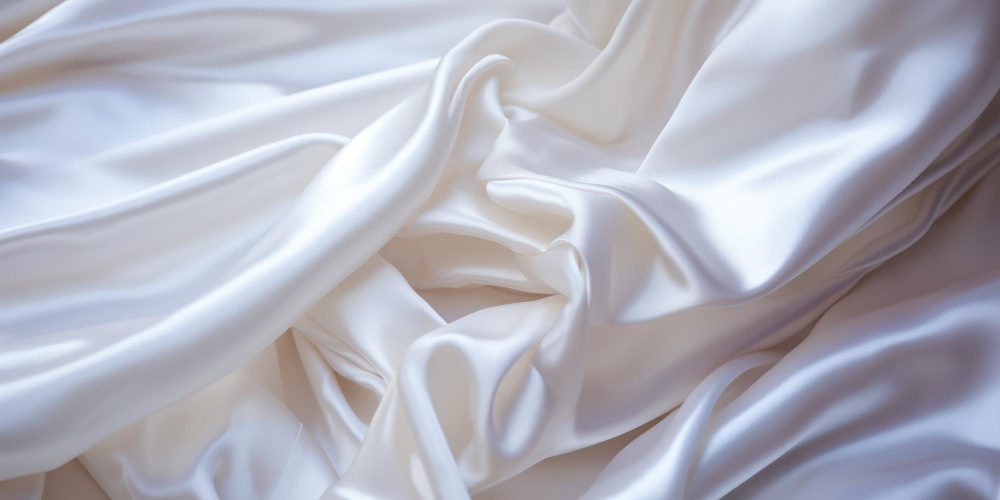
1. Sateen Weave
Sateen weave is created by weaving the threads in a way that gives the fabric a smooth, silky, and slightly shiny surface. It offers a satin-like appearance, but with natural cotton fibers instead of synthetic satin.
Where is it used?
Sateen is commonly used in elegant bed sheets and comforters sets designed to provide a soft, smooth, and luxurious sleep experience as an alternative to silk.
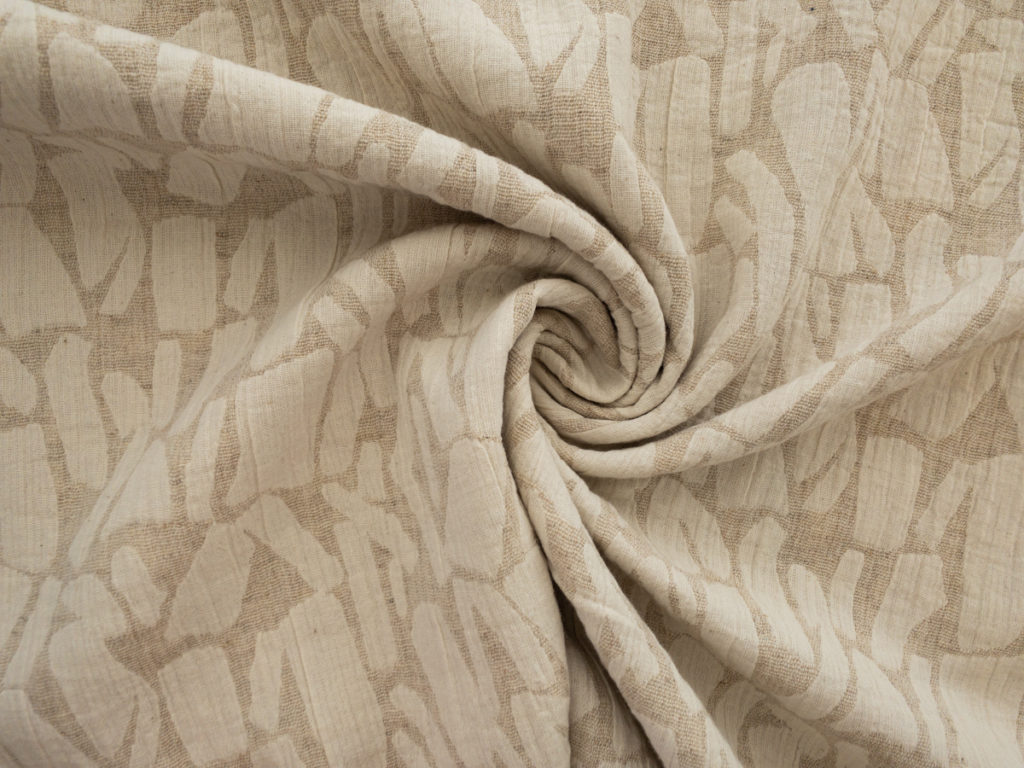
2. Jacquard Weave
Jacquard weave focuses on the decorative side of the fabric. Instead of printing patterns on the surface, the designs are woven directly into the fabric itself. This gives the fabric a refined look that lasts longer and does not fade easily with washing.
Where is it used?
- Luxury comforters
- Luxury bridal Duvet covers
- Bed covers
- Pillowcases
- Curtains
3. Percale Weave
Percale weave creates a matte, soft, fresh, lightweight, and highly breathable cotton fabric. It is one of the best options for bed linen in hot climates because it feels cool and airy. However, it may wrinkle more easily and may require ironing.
Where is it used?
- High-quality bedsheets
4. Dobby Weave
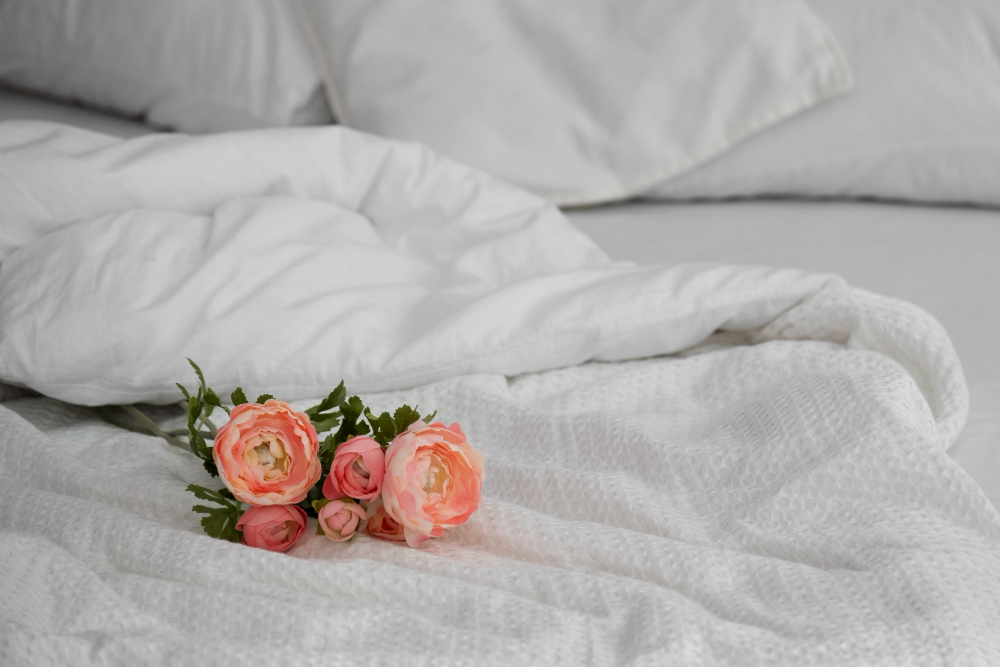
Dobby weave is made using a loom to create small, simple woven patterns within the fabric itself. It differs from jacquard because jacquard allows for larger and more complex designs, while dobby patterns are usually simpler, softer, and less visually busy.
Where is it used?
- Table linens
- Pillow covers
- Kitchen towels
5. Twill Weave
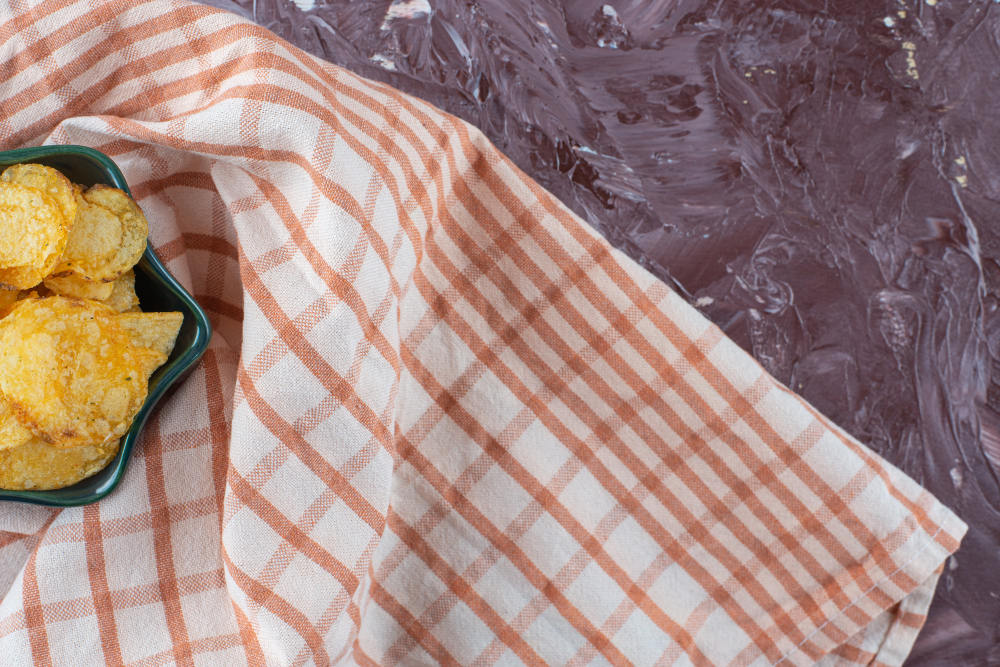
Twill weave is known for its diagonal lines. It creates a strong and highly durable fabric that can withstand frequent use.
Where is it used?
- Denim
- Heavy winter shirts
- Upholstery fabrics
6. Plain Weave
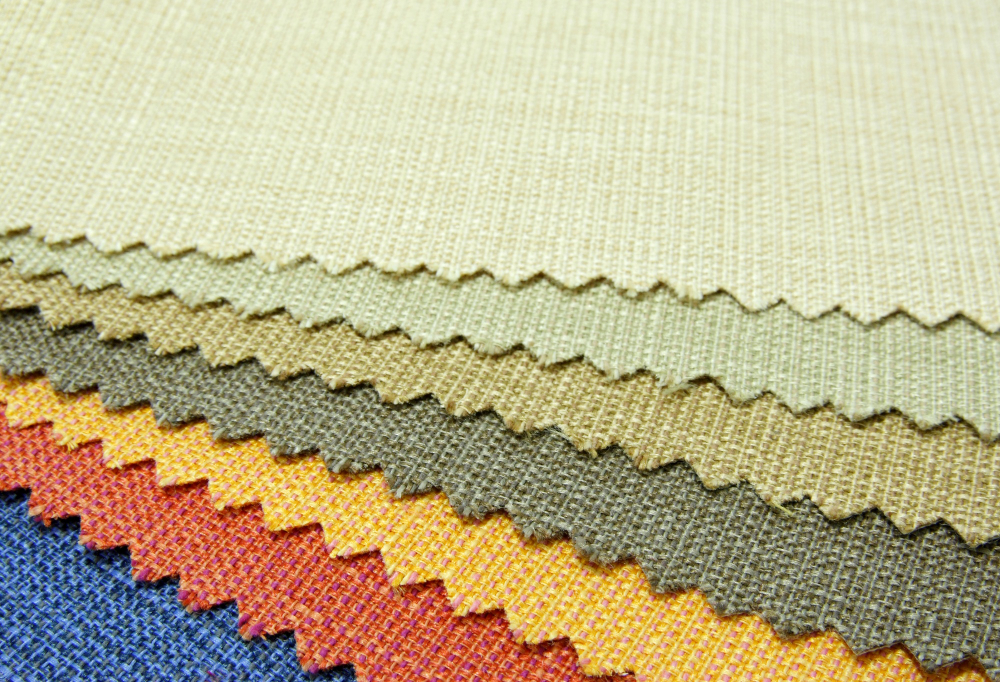
Plain weave is the simplest method of weaving cotton. It is made by interlacing threads in a balanced and straightforward pattern, creating a smooth, non-shiny fabric without decorative details.
Where is it used?
- Cotton underwear
- Homewear, such as T-shirts, shirts, and summer dresses
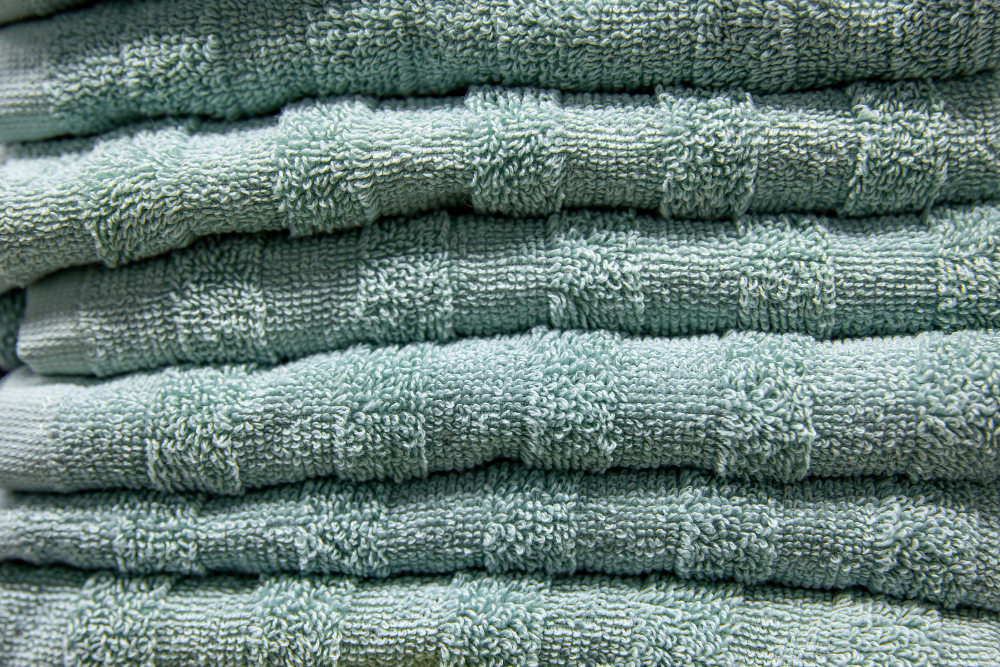
7. Terry Weave
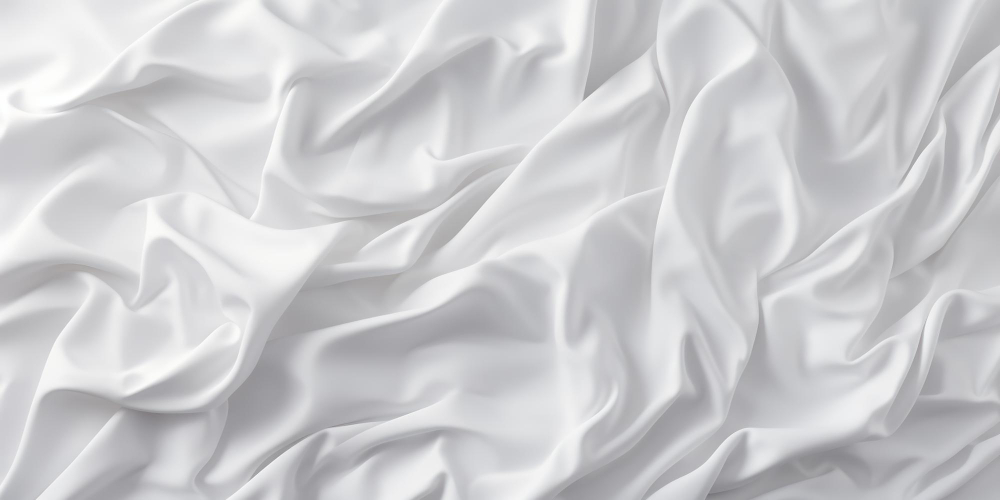
Terry weave is a cotton fabric woven with small loops that give it softness and high absorbency.
Where is it used?
- Towels
- Comfortable loungewear
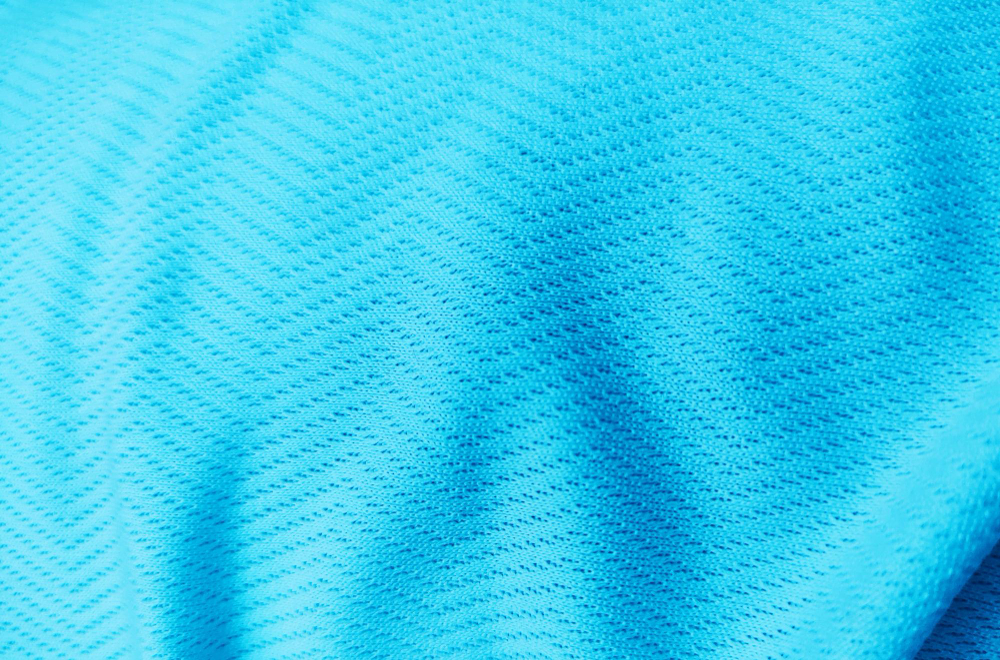
8. Jersey Cotton
Jersey cotton is made by interlocking cotton threads to create a soft, stretchy, and highly flexible fabric. Technically, jersey is knitted rather than traditionally woven, which gives it its comfortable, elastic feel.
Where is it used?
- Fitted sheets
- Comfortable cotton clothing
How to Choose the Best Cotton Fabric in Saudi Arabia
The best cotton fabric is the one that combines a good cotton origin, long fibers, balanced thread count, and a weave that suits your daily needs.
Before buying, ask these questions about the product:
- What is the country of origin of the cotton?
- Are the fibers long or short?
- What type of weave is used?
- What is the thread count?
- Is the fabric suitable for Saudi Arabia’s climate?
- Are the finishing and stitching well made?
- Why do I need this fabric? Different fabrics are better for different uses.
- What is my budget?
- What type of feel do I prefer?
Tips to Help You Choose the Right Cotton
- If you are looking for luxurious, soft cotton that lasts longer, choose long-staple cotton with a balanced thread count, usually between 300 and 500 TC.
- If you prefer a soft, smooth, and satin-like feel, sateen weave is a suitable choice.
- If you want a light, fresh, and breathable fabric that works well in Saudi Arabia’s hot weather, percale may be the better option.
- If you prefer a luxurious look with elegant woven patterns and details, jacquard is a great choice.
Remember that your budget also plays an important role. The best fabric is not always the most expensive one, but the one that gives you the right balance between comfort, quality, easy care, and the purpose of use.
Why Does Karaz Linen Care About Cotton Quality in Sleep Products?
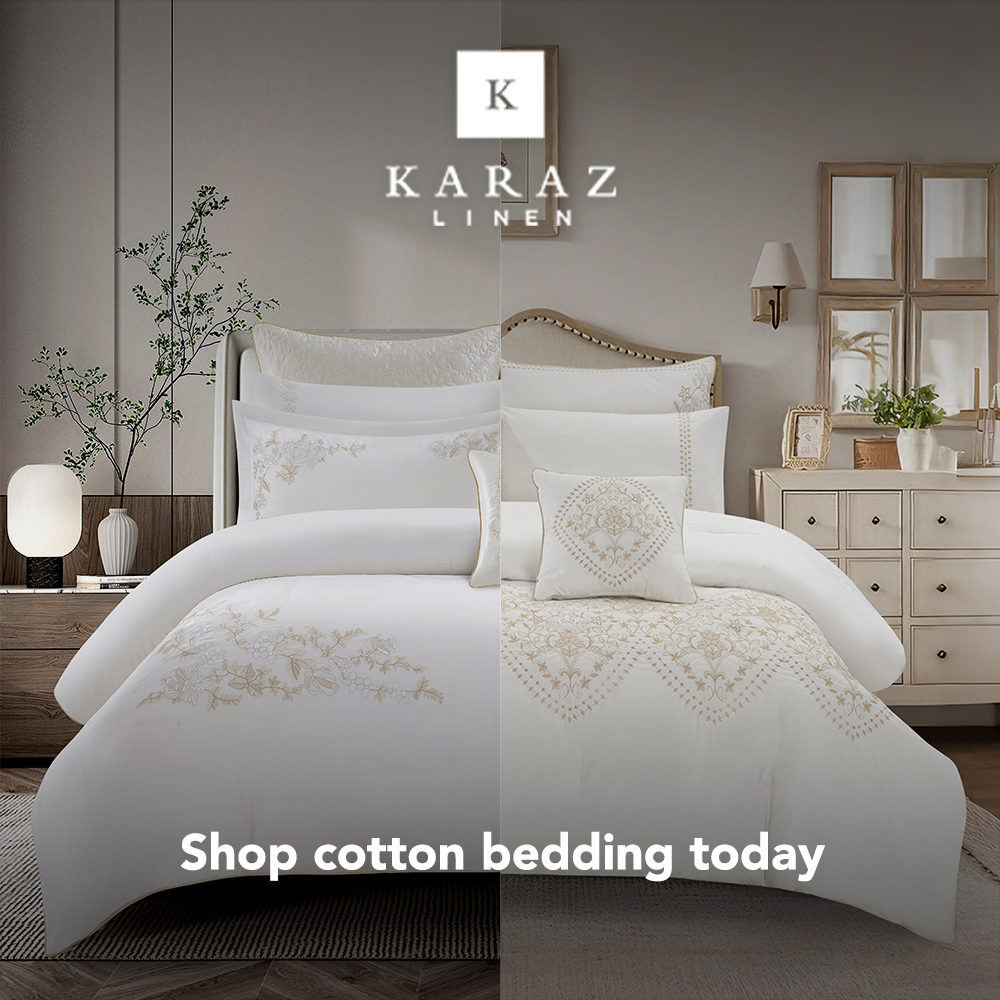
At Karaz Linen, we believe that the bedroom is a true space of comfort, and that quality sleep begins with the fabric that touches your skin every night.
That is why we carefully choose cotton materials that offer a balanced combination of:
- Softness
- Breathability
- Durability
- A luxurious feel
- Cooling comfort suitable for the Gulf climate
- Prices that suit different needs
- Exclusive designs that add an elegant and distinctive touch to your bedroom
At Karaz Linen, we do not only sell comforters and sleep products. We offer a sleep experience that reflects your taste, comfort, and appreciation for quality.
Final Thoughts
Luxury cotton is not an unnecessary indulgence; it is an investment in your daily comfort. Choosing the right fabric means calmer sleep, a softer touch, and long-lasting quality, especially when the fabric combines good origin, refined weaving, and elegant design.